

What Can an Upper GI Endoscopy Detect?
An upper endoscopy or EGD (esophagogastroduodenoscopy) is a simple procedure that gives our doctors a detailed view of your upper digestive tract. Performed using a small camera on a flexible tube, it can detect virtually any abnormalities in your esophagus, stomach, and the first part of your small intestine. Your gastroenterology specialist should explain what […]
Read More

What Does It Mean When Your Esophagus is Dilated?
An esophageal dilation is a means of widening a narrowed or tightened section of your esophagus. This type of esophageal stricture is not uncommon, and the causes include: Scarring of the esophagus caused by acid reflux Scarring of the esophagus caused by radiation treatment Esophageal tumors Esophageal spasms Schatzki’s ring (an abnormal ring of tissue […]
Read More

Hemorrhoid Treatment with Band Ligation
If you have hemorrhoids, you probably want to be rid of them! Band ligation is one way to treat internal hemorrhoids, which are located inside the lower rectum. External hemorrhoids are found outside of the body, on the anus. What is band ligation? During this procedure, the doctor will use instruments to place rubber bands […]
Read More

Treating Esophageal Dysphagia with Esophageal Dilation
Esophageal dysphagia is a condition in which the esophagus makes swallowing difficult. It can cause choking or coughing when eating or make you less likely to eat out of fear. Many patients with esophageal dysphagia begin to experience quality of life issues from the disorder, but there are treatment options available. Symptoms of Esophageal Dysphagia […]
Read More

Can Stress Aggravate Gastrointestinal Symptoms?
There is a direct connection between your emotional state and your gastrointestinal tract. From feeling butterflies in your stomach when you’re nervous to developing an ulcer from extreme, ongoing stress, your body physically manifests stress in a variety of ways. If you are experiencing severe gastrointestinal problems, you may need to make an appointment for […]
Read More
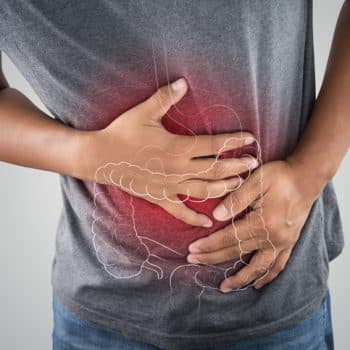
How to Help Manage Your Gastrointestinal Problems with Your Diet
Do you suffer from gastrointestinal difficulties brought on by IBS, Celiac disease, or GERD? Do your symptoms worsen just after you’ve eaten or impact your quality of life? worse after you eat? Our experienced New York City gastroenterology specialists are dedicated to providing personalized endoscopic healthcare to meet the needs of our patients and their […]
Read More
Colorectal Cancer Awareness Month: March In for a Colonoscopy
Every March, to increase awareness, we recognize colorectal cancer awareness month. No one likes to think about getting a colonoscopy, but it’s an important conversation to have. Early detection of colon cancer can save your life. What Is Colorectal Cancer? Colorectal cancer is the term for any cancer that occurs in the colon or rectum, […]
Read More

Do I Need Band Ligation for My Hemorrhoids?
Hemorrhoids are swollen veins located in the rectum and anus. Most people have experienced hemorrhoids, but in some cases, the hemorrhoids can become prolapsed and protrude through the anus. They can be more than just a painful nuisance. Sometimes, the bleeding and discomfort from hemorrhoids can interfere with your quality of life. At that point, […]
Read More

5 Tips to Avoid Reflux During the Holidays
For people who suffer from reflux, the holidays can be a difficult time. It’s easy to overeat, and you’re often eating meals in other peoples’ homes or in restaurants where you can’t control the ingredients. These 5 tips can help you avoid reflux during the holidays. 1. Avoid Alcohol It’s a time for celebrating, and […]
Read More

Signs that You Should Have a Colonoscopy
Most people have heard from their physicians and from cancer prevention organizations about the need to have a colonoscopy at age 50. Having a colonoscopy at age 50 is one of the most effective ways to detect and prevent colorectal cancer. When detected early, colorectal cancer can be completely removed and you can go on […]
Read More