Difficulty Swallowing? When Esophageal Dilation May Be Recommended
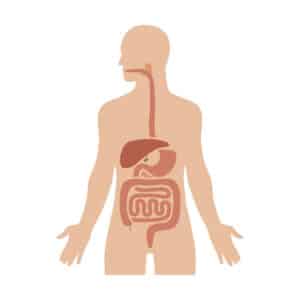
Occasional difficulty swallowing can happen from eating too quickly, but persistent or worsening swallowing problems should not be ignored. If food frequently feels like it is getting stuck in your throat or chest, or you have trouble swallowing solid foods, it may be a sign of an underlying esophageal condition. In some cases, your gastroenterologist may recommend esophageal dilation to help restore comfortable swallowing and improve your quality of life.
At Gramercy Park Digestive Disease Center, a New York State-certified Ambulatory Surgery Center in NYC, experienced gastroenterology specialists diagnose and treat a wide range of esophageal disorders using advanced endoscopic techniques. Every treatment plan is tailored to the cause of your symptoms, ensuring you receive the most appropriate care.
What Causes Difficulty Swallowing?
Difficulty swallowing, also known as dysphagia, can occur for several reasons. One of the most common causes is an esophageal stricture, which is a narrowing of the esophagus. Strictures may develop from chronic acid reflux, inflammation, scar tissue, or prior esophageal injury. Other conditions, such as Schatzki rings or certain inflammatory disorders like eosinophilic esophagitis, may also contribute to narrowing that makes swallowing difficult.
Because several conditions can produce similar symptoms, an accurate diagnosis is essential before treatment begins.
How Esophageal Dilation Works
Esophageal dilation is a minimally invasive procedure performed during an upper endoscopy. After carefully evaluating the narrowed area, your gastroenterologist uses specialized instruments to gently stretch the esophagus and increase its diameter. The goal is to improve food passage while preserving the surrounding tissue.
The procedure is typically performed on an outpatient basis, allowing most patients to return home the same day.
When Is Esophageal Dilation Recommended?
Esophageal dilation may be recommended when testing confirms that a narrowed section of the esophagus is responsible for your symptoms. While many patients experience significant improvement after treatment, some conditions may require additional dilations over time, depending on the underlying cause.
Your gastroenterologist will also discuss strategies for managing any condition contributing to the narrowing, such as acid reflux or chronic inflammation.
Speak to Our Medical Team
Persistent difficulty swallowing should never be considered a normal part of aging. Early evaluation can help identify the cause and determine whether esophageal dilation or another treatment is appropriate. To learn more or schedule a consultation, contact the experienced gastroenterology team at Gramercy Park Digestive Disease Center in New York City at 212-979-3237.
Contact Us
AAAHC Accredited
AAAHC Accredited
Gramercy Park Digestive Disease Center is recognized by the Accreditation Association for Ambulatory Health Care, Inc. (AAAHC), the leading organization in developing safety and quality standards for ambulatory health care.
GIQuIC Participant

GIQuIC Participant
Gramercy Park Digestive Disease Center participates in the Gastrointestinal Quality Improvement Consortium (GIQuIC), which is a national healthcare database used to measure and improve the quality of endoscopic performance.