The Link Between Liver Disease and Esophageal Varices
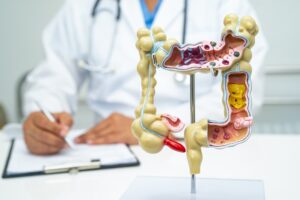
If you have been diagnosed with liver disease, your gastroenterologist may also discuss the risk of developing esophageal varices. These enlarged veins form in the lower esophagus when increased pressure in the portal vein redirects blood flow. While esophageal varices often cause no symptoms at first, they can become a serious complication if they begin to bleed.
At Gramercy Park Digestive Disease Center, a New York State-certified Ambulatory Surgery Center in NYC, experienced gastroenterology specialists provide advanced diagnostic and therapeutic endoscopic care for patients with a wide range of digestive conditions, including complications related to liver disease.
How Liver Disease Leads to Esophageal Varices
Healthy blood flows through the liver with minimal resistance. However, chronic liver diseases such as cirrhosis can create scar tissue that restricts normal blood flow. As pressure builds within the portal vein (a condition known as portal hypertension), blood is forced into smaller veins, including those in the esophagus. Over time, these veins can enlarge and become fragile, increasing the risk of bleeding.
Who Is Most at Risk?
Not everyone with liver disease develops esophageal varices, but the risk increases as liver damage progresses. Patients with cirrhosis, portal hypertension, or certain chronic liver conditions may benefit from routine evaluation. Your gastroenterologist may recommend an upper endoscopy to determine whether varices are present and whether preventive treatment is appropriate.
How Esophageal Varices Are Managed
The goal of treatment is often to reduce the risk of bleeding before an emergency occurs. Depending on your condition, your physician may recommend medications to lower portal pressure, lifestyle modifications, or endoscopic procedures such as variceal banding, which places small bands around enlarged veins to reduce the risk of bleeding. Regular follow-up is equally important because new varices can develop over time.
Meet with Medical Experts
Liver disease and esophageal varices are closely connected, but early evaluation and ongoing care can help identify problems before they become more serious. If you have liver disease or have been advised to undergo screening for esophageal varices, the specialists at Gramercy Park Digestive Disease Center are here to help. To learn more or schedule an appointment in New York City, contact our team at 212-979-3237.
Contact Us
AAAHC Accredited
AAAHC Accredited
Gramercy Park Digestive Disease Center is recognized by the Accreditation Association for Ambulatory Health Care, Inc. (AAAHC), the leading organization in developing safety and quality standards for ambulatory health care.
GIQuIC Participant

GIQuIC Participant
Gramercy Park Digestive Disease Center participates in the Gastrointestinal Quality Improvement Consortium (GIQuIC), which is a national healthcare database used to measure and improve the quality of endoscopic performance.